

Short of soaking in every aquamarine horizon and every plate of jerk-scented bliss east of the West Indies, there are few things more exciting than going on vacation — except, of course, traveling to yet another place while you’re already on vacation. Something about island-hopping awakens the inner explorer in all of us: it’s adventurous, intriguing, and carries a certain zeal that would tempt even the most land-bound soul to cast off.So where to go? What to do? And how exactly do you get there?
By boat, plane, or even by bicycle — with kayaks, paddleboards, and ATVs waiting on select shores — here’s your updated mini-guide to exploring the other islands of the Turks & Caicos Islands (TCI), so you can embark on an adventure without venturing too far.


The Turks & Caicos Breakdown
Though often summarized as “eight islands,” the Turks & Caicos is actually an archipelago of 40 islands and cays, of which only a fraction are inhabited. Providenciales, Grand Turk, Salt Cay, and North, Middle, South, East, and West Caicos form the major landmasses; the rest are tiny sandy miracles perched atop coral reefs.

The magic of the TCI is how compact everything is. These islands sit shoulder-to-shoulder on a shallow marine plateau, meaning domestic travel is short, scenic, and surprisingly effortless. One of the longest hops — Providenciales to Grand Turk — takes only 30 minutes by plane, yet deposits you in a completely different world.
Domestic links have strengthened steadily over the last three decades, and the range of excursions is now richer and more conservation-minded than ever. Many islands and cays are perfectly suited for day trips; others, like Grand Turk, Salt Cay, North, Middle, and South Caicos, are ideal for an overnight escape.
The Other Islands: Raw, Remote, and Remarkably Real
Six of the islands in this archipelago are either uninhabited or home to only 100–1,500 people — a rare pocket of Earth still ruled by nature rather than development. It feels almost unbelievable that such places exist today, let alone within such easy reach of civilization. And yet, here they are: wild beaches, dramatic cliffs, caves, endemic flora, immaculate reefs, turquoise waters, and wildlife that doesn’t shy away from the lens of an eager photographer.
Nearly all experiences here revolve around the landscape itself. So what exactly can you do? What makes each island worth the journey? And which mode of transport will carry you best once your feet hit the sand?
Here is your breakdown — refreshed, accurate, and ready for 2026 adventure.
THE CAYS
Little Water Cay (Iguana Island)
A protected haven for the endangered rock iguana, full of osprey sightings and wild, rugged beaches. Boardwalks make exploration easy without disturbing the ecosystem. Its shallow turquoise edges are perfect for gentle kayaking, letting you glide beside mangroves while iguanas bask on sun-lit limestone.
Pine Cay
A privately owned island with immaculate beaches, nine miles of nature trails, and stellar snorkeling. Home to the exclusive Meridian Club. The island’s no-cars tranquility makes it feel like a private nature sanctuary, where the loudest thing you’ll hear is the breeze moving through sea grapes.
Fort George Cay
Uninhabited and historically rich, with underwater cannons resting just offshore. A snorkeler’s dream with a dash of pirate lore. At low tide, the old fort’s stones peek through the shallows, creating a surreal blend of history and reef life that feels like swimming through time.
Ambergris Cays
Remote and rugged, with an upscale all-inclusive resort on the main cay accessible via private air transfer. Here, sightings of lemon sharks and rays in the gin-clear shallows are common, making the water feel as alive and unspoiled as the cay itself.
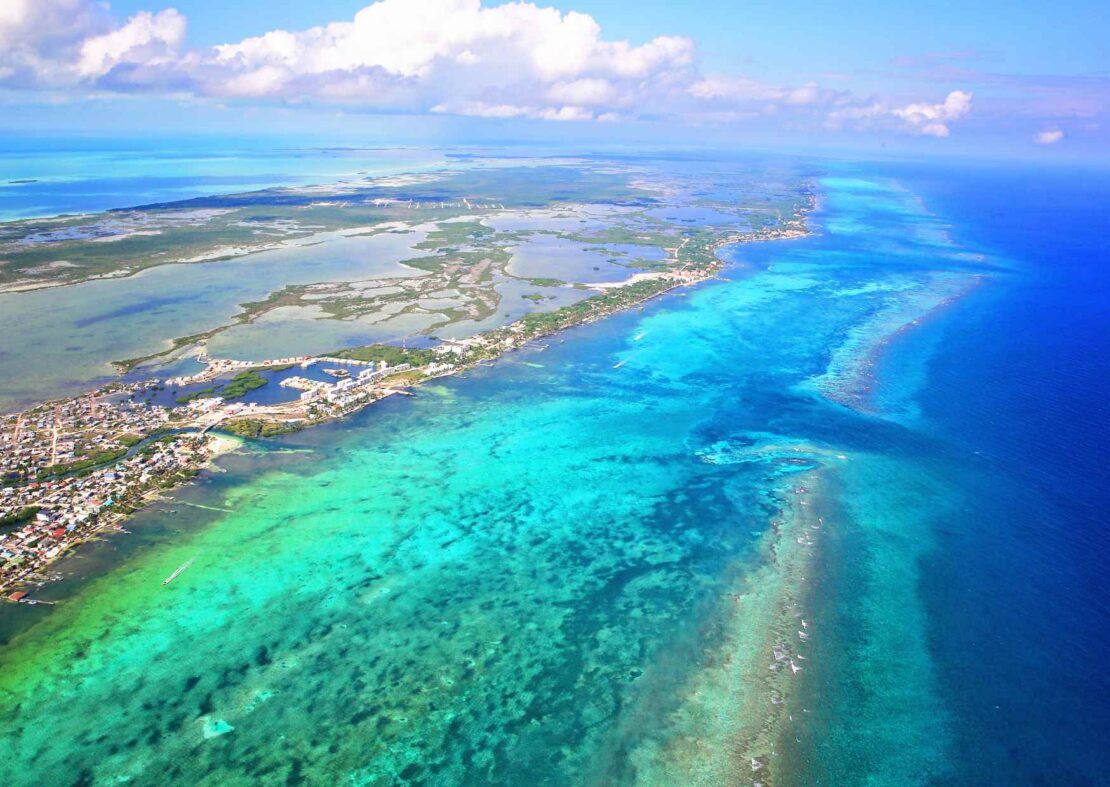
Dellis Cay
Known for beachcombing, quiet solitude, and the haunting silhouette of an abandoned luxury development. Photographers love the way driftwood, shells, and broken coral scatter its beaches, giving every corner a beautifully weathered, untouched aesthetic.
Parrot Cay
An ultra-exclusive island home to COMO Parrot Cay resort and celebrity hideaways. The island’s wellness-first atmosphere swaps bustle for barefoot luxury, with miles of quiet coastlines perfect for sunrise meditation or starlit walks.
French Cay
One of the most remote slivers of sand in the TCI — no human structures, spectacular snorkeling, historic pirate ties, and true desert island energy. Its isolation draws migrating birds and marine life, turning the surrounding waters into a feeding ground for everything from turtles to reef sharks.
Cays Excursions
Secluded Beach Drop-offs
Disappear to your own private strand: a boat drops you on a nearby cay with a cooler, chairs, umbrella, gear, and an emergency phone. Gourmet meals can be arranged — think castaway chic with catered comfort.
Provincial House Evolution Sunday Boat Party (July)
During the low season in late July, Little Water Cay transforms into TCI’s biggest annual beach party — a flotilla of boats, DJs, locals, and sunshine revelry.
Provo Cays Exploration & Caicos Cays Safari
Boat or jet-ski safaris whisk you through secluded beaches, snorkeling hotspots, wildlife areas, and hidden coves.

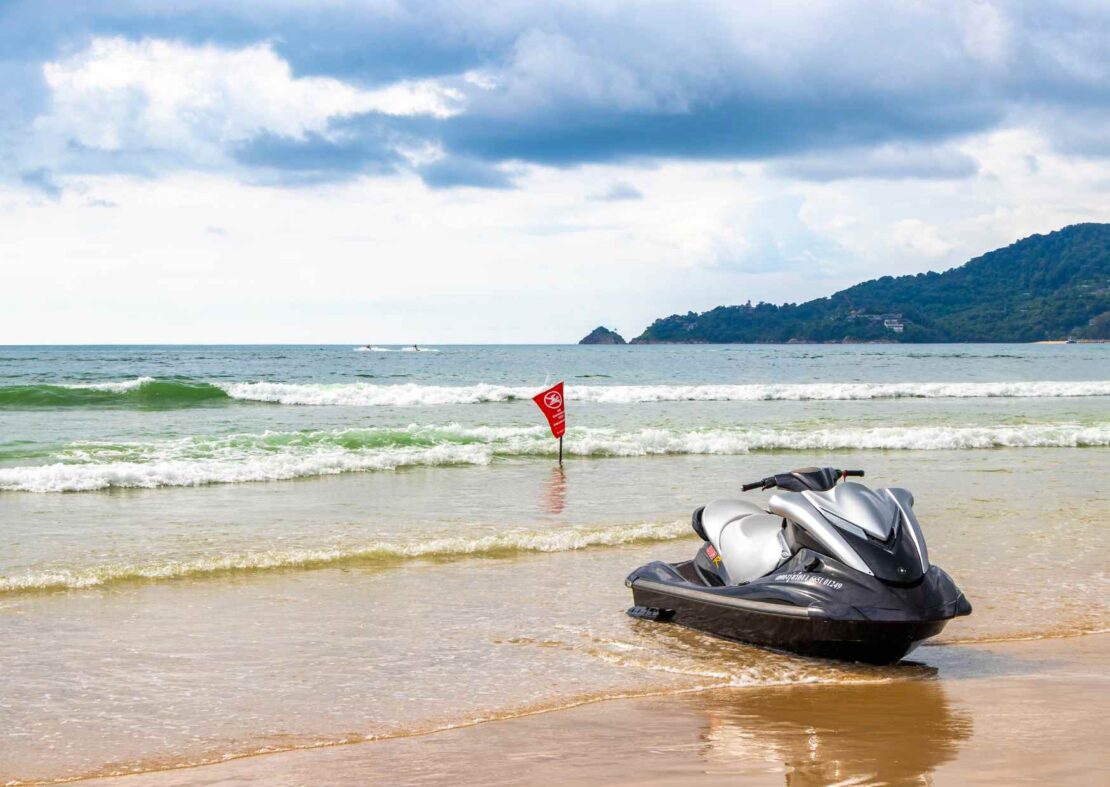
Lobster Safari (Aug–Mar)
Learn to free-dive shallow reefs, catch your own lobster, and grill it beachside.
French Cay Adventure
A full-day escape to wild solitude, typically with Caribbean BBQ included.
Group Snorkel Charters
TCI boasts the third-largest barrier reef in the world. Tours visit multiple sites, with turtles, parrotfish, coral gardens, rays, and more. Sunset and night snorkels are available with select operators.
How to Get to the Cays
Boat charter for most, Ambergris Cays require private air transfer.
Best Way to Get Around Once There
On foot — and bring flip-flops; mid-day sand can surprise you.
NORTH & MIDDLE CAICOS
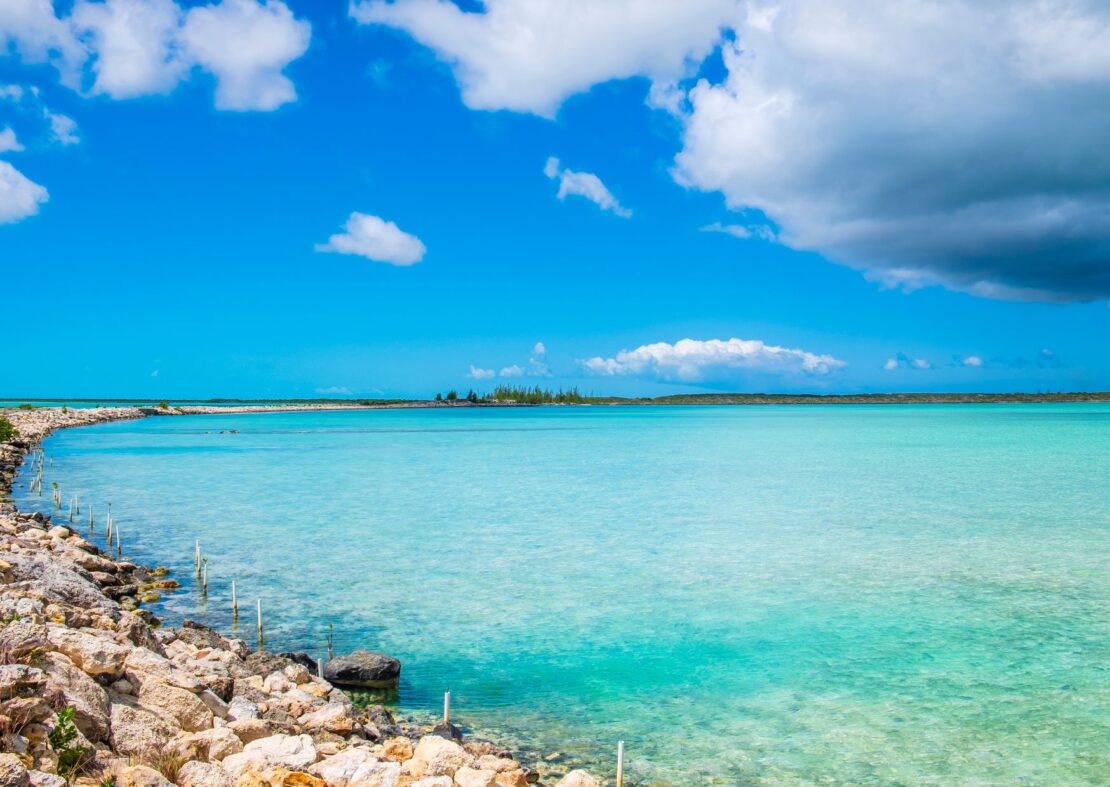
North Caicos: Known as the Breadbasket of TCI, thanks to its higher rainfall and fertile land.
How to Get There
By ferry from Providenciales (Walkin Marina → Bellefield Landing). Pre-bookings essential.
(Important 2025 update: There is no ferry from Providenciales to Grand Turk or Salt Cay — only to North Caicos.)
Best Transport
Rental car or bicycle (pre-book both).
North Caicos Excursions
- North to Middle Caicos Cycling Tour: Cycle causeways flanked by turquoise water, ending at dramatic Dragon Cay and Mudjin Harbour.
- Self-guided “Birding in Paradise” tours: Follow mapped routes to see flamingos, herons, egrets, ospreys and (if lucky) the West Indian Whistling Duck.
- Flagship Stops: Cottage Pond, Wade’s Green Plantation ruins, Three Mary Cays, Flamingo Pond, Horsestable Beach, Bottle Creek kayaking.
Middle Caicos
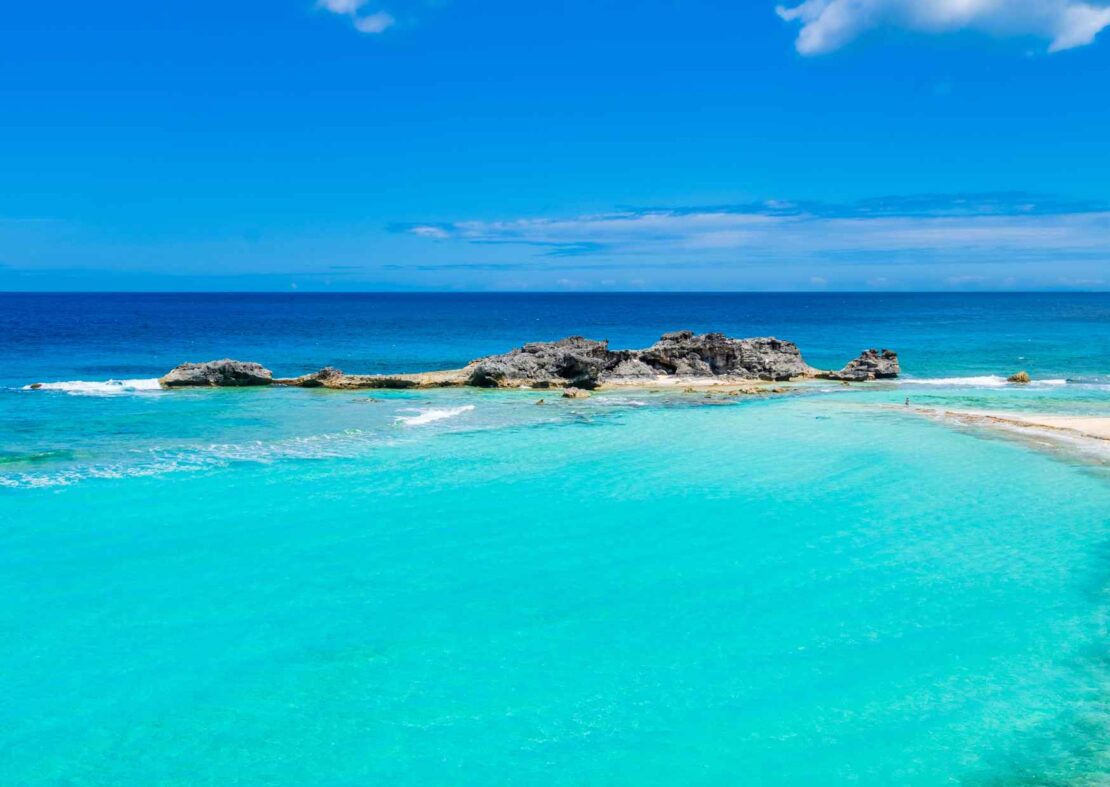
Celebrated for its straw-weaving heritage, dramatic coastline, and remote beaches.
How to Get There
Ferry to North Caicos + rental car or guided cycling. The causeway between the islands remains one of the prettiest drives in the country.
Excursions
- The Crossing Place Trail: A shoreline hike threading cliff-tops, hidden coves, and empty beaches — one of the most breathtaking walks in the Caribbean.
- Self-guided Birding Routes
- Flagship Sites: Indian Caves, Conch Bar Caves (part of a 15-mile cave system), Flamingo Pond, Haulover Plantation, Bambarra Beach, Wild Cow Run, and the Caicos Pine Yard Trail.
WEST CAICOS
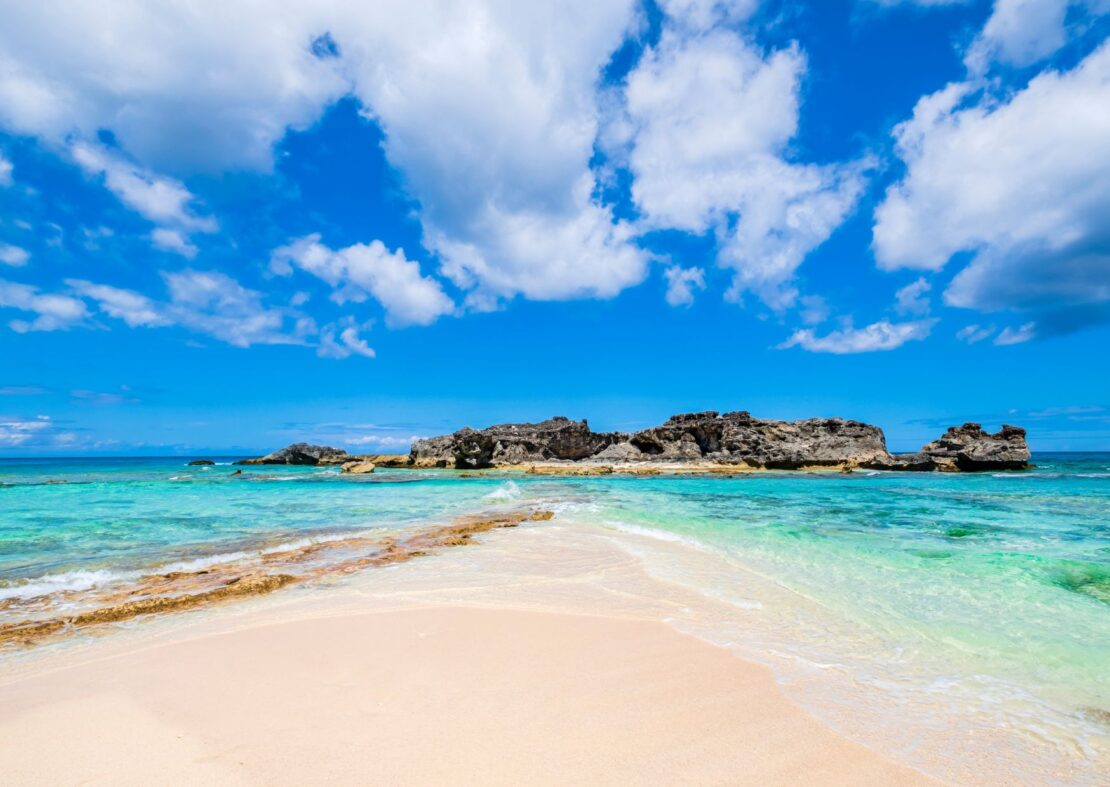
Uninhabited and pristine — three miles of ironshore, sheer cliffs, cobalt waters, and “The Wall,” where shallow reefs plunge thousands of feet into the deep.
How to Get There
By boat charter (approx. 1 hour from Provo).
What to Do
- Diving: Elephant Ear Canyon and other iconic sites with massive sponges, sea fans, and spectacular drop-offs.
- West Caicos Safari: Cliff-jumping spots, flamingo lakes, beachcombing bays, and old sailors’ carvings.
SOUTH CAICOS
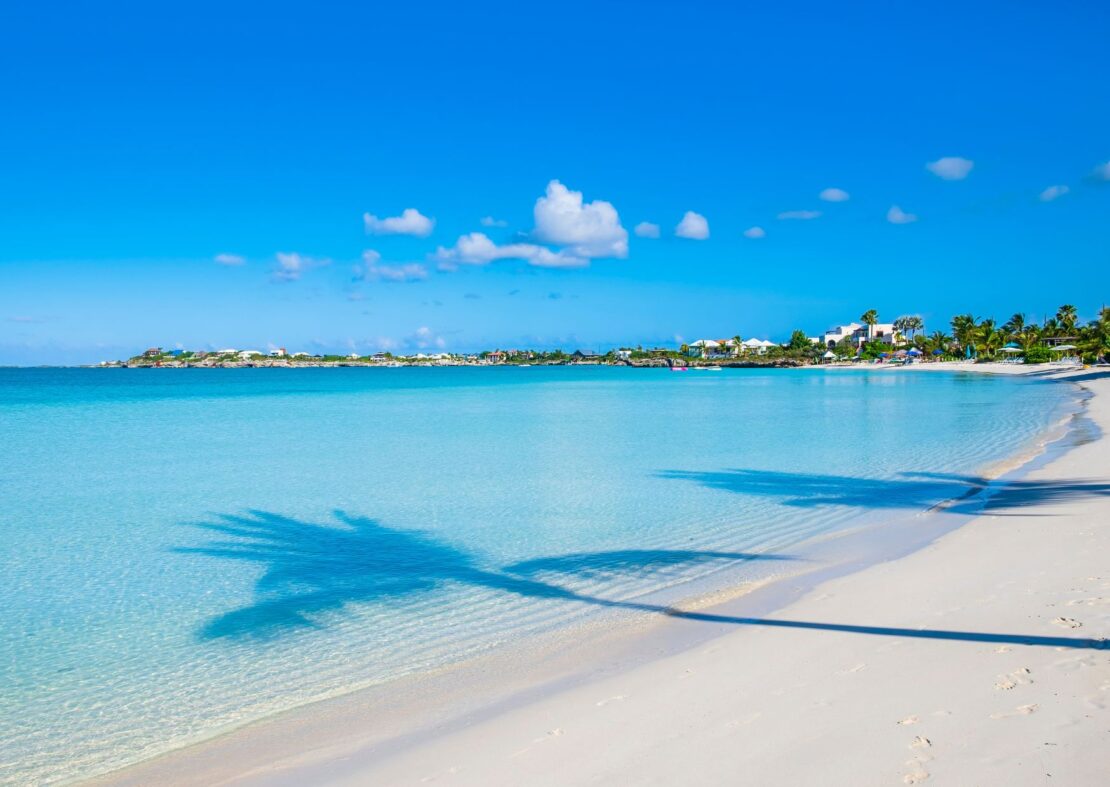
Compact (just over eight square miles) and famous for fishing — conch, lobster, and fish supply both local and international markets. Cockburn Harbour is the island’s historic heart.
How to Get There
By plane from Providenciales (≈30 minutes).
There are occasional ferry services, but they are not frequent; flying remains the reliable method.
Transport
4×4 recommended due to rugged road access to many beaches.
Excursions
- Fishing charters, glass-bottom kayaks, sailing, paddleboarding, and water excursions via Sailrock Resort and East Bay Resort.
- Flagship Experiences: Bonefishing, birdwatching, visiting the SFS Marine Research Center, pristine snorkeling and diving with exceptional visibility.
GRAND TURK
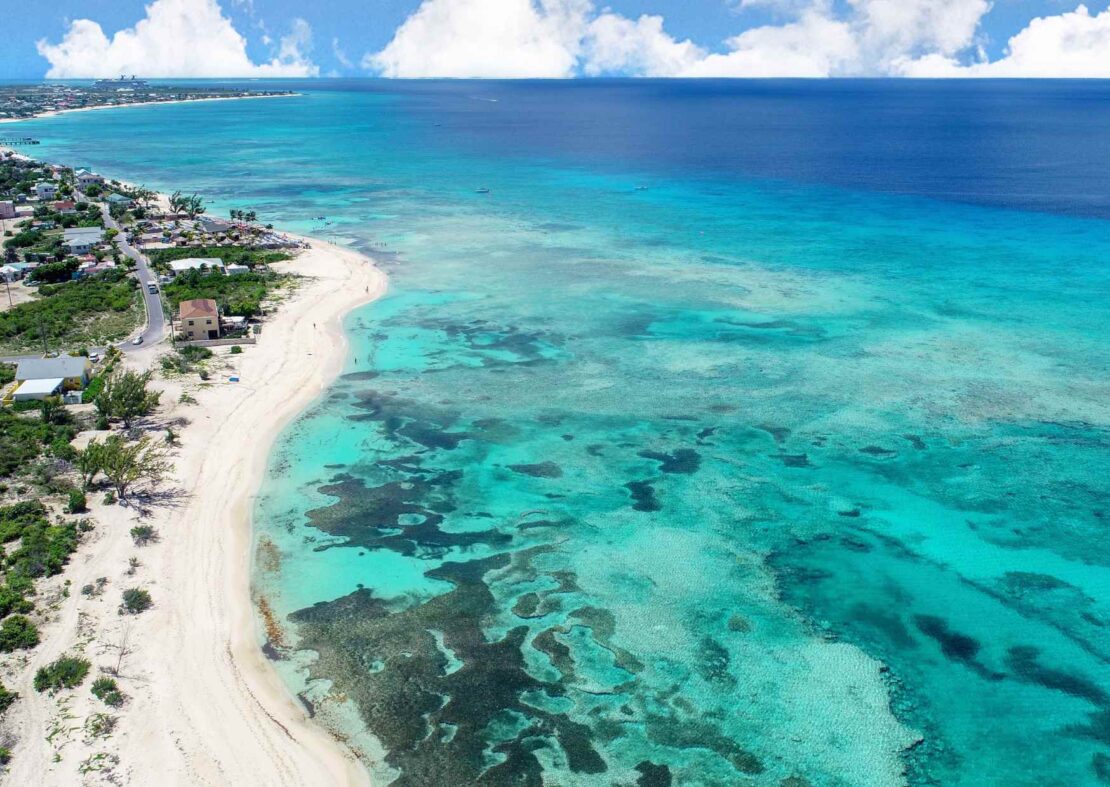
The capital island — rich in history, laid-back charm, and world-class wall diving.
How to Get There
By plane from Providenciales (~30 minutes).
Multiple daily flights.
Transport
Golf cart or car rental.
Excursions
- Birding in Paradise walking and driving routes
- Diving just minutes offshore
- Humpback Whale Watching (Jan–Apr), often with in-water encounters via licensed operators
Flagship Activities
Turks & Caicos National Museum, strolling Duke & Front Streets, snorkeling at Gibbs Cay, the Molasses Reef wreck, Governor’s Beach, Columbus Landfall National Park, and the Grand Turk Lighthouse.
EAST CAICOS
The largest uninhabited island in the Caribbean — remote, difficult, mosquito-heavy, and breathtaking.
A guide is strongly recommended: navigation is challenging, attractions are unmarked, and waters are tricky.
A paradise for endangered birds, endemic species, and raw wilderness.
SALT CAY
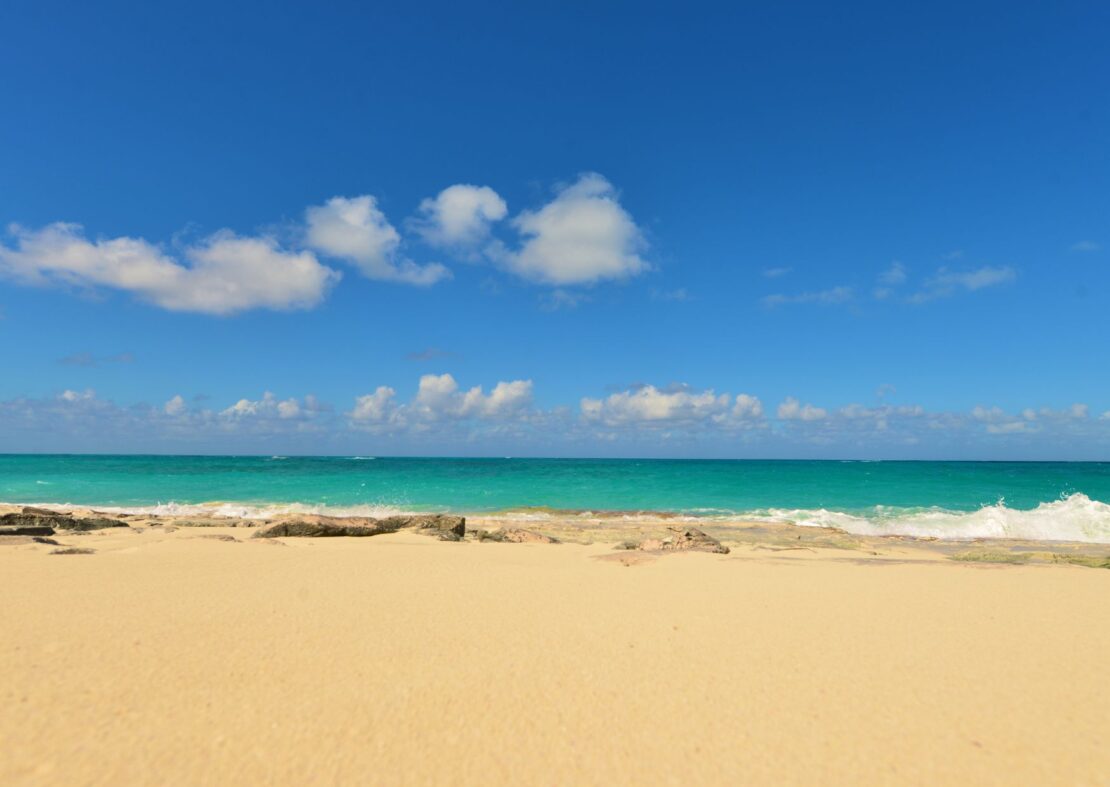
A tiny, charming throwback to another era — donkeys roam freely, golf carts rule the roads, and unpaved paths lead to beaches that feel entirely your own.
How to Get There
By plane (with a short stop in Grand Turk).
(2025 update: There is a ferry between Grand Turk and Salt Cay, running ~3 times per week, but there is no direct ferry from Providenciales.)
Transport
Golf cart, bike, or foot.
Excursions
- Whale Watching & Diving: Salt Cay is the closest land to the Humpback migration path; sightings can be spectacular, and water entries — when permitted — are unforgettable.
- Bike Ride to North Beach: Rolling dunes and solitude at its finest.
Further Information for 2026 Travellers
- There is no public transport in the Turks & Caicos. Pre-book rentals, taxis, and ferries.
- Many islands have unlit, unpaved, and livestock-frequented roads — avoid nighttime driving when possible.
- Crime has increased modestly in recent years; follow standard precautions (avoid walking at night, store valuables securely, use licensed taxis).
- Firearms and ammunition (even forgotten rounds in luggage) carry severe penalties.
- No COVID-specific entry requirements remain, but you must still carry a valid passport and (for many nationalities) proof of onward travel.
- For wildlife and conservation information, visit DEMA’s “Programmes & Projects” page.
Read more: The best luxury hotels & resorts on Turks and Caicos