

The Cayman Islands may be best known for pristine beaches and crystal-clear waters, but beyond the coastline lies a rich and fascinating past waiting to be explored. From important historic landmarks and heritage buildings to cultural museums and unusual geological formations, Grand Cayman offers plenty of opportunities to discover the stories, traditions and people that have shaped the islands. Whether you are a history enthusiast or simply want to experience a different side of the Caribbean, these Cayman Islands landmarks and historical attractions provide an engaging journey through time.
Pedro St. James Historic Site
The Pedro St. James National Historic Site is one of the most important historic landmarks in the Cayman Islands. Set within seven landscaped acres beside the sea, its centerpiece is the beautifully restored Great House, which offers a window into life in 18th-century Cayman.
Often described as the “birthplace of democracy” in the Cayman Islands, Pedro St. James was the setting for an important public meeting in 1831 that helped lead to the formation of Cayman’s first elected legislature. It was also where the proclamation ending slavery in the British Empire was read to the local population in 1835.
The Great House has survived hurricanes, fires, vandalism and stories of being both haunted and jinxed. Today, it stands restored as a fascinating piece of Caymanian heritage.

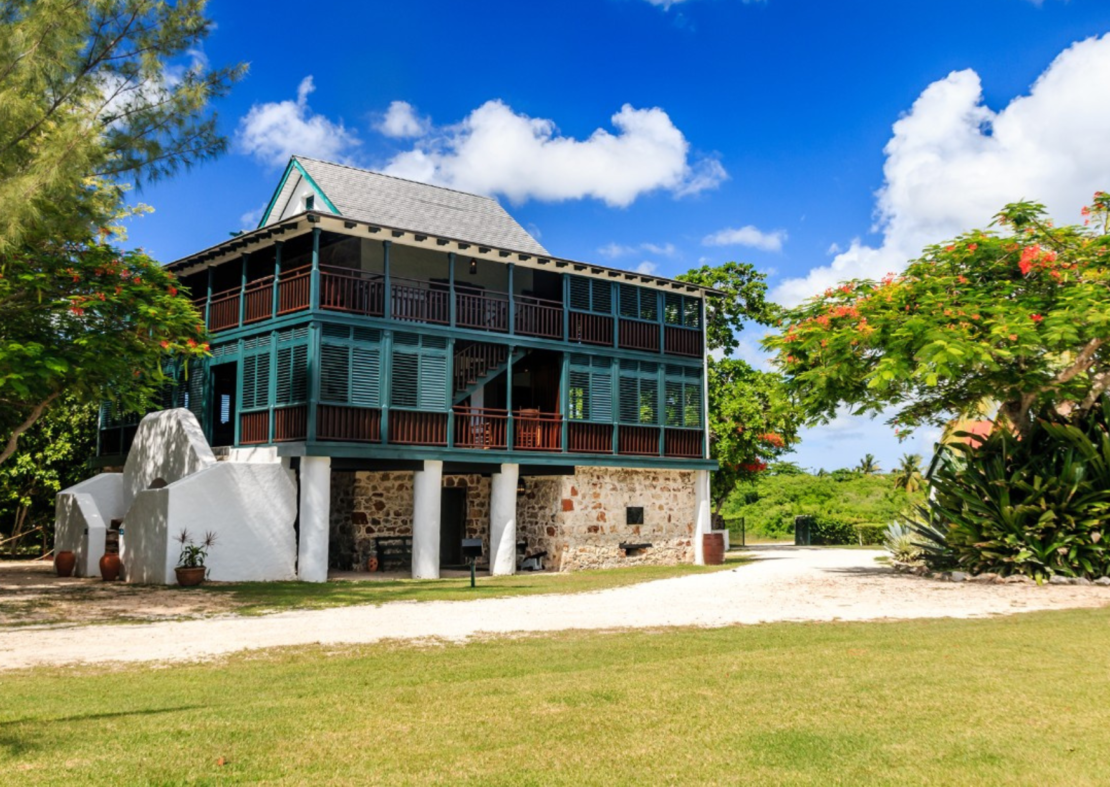
Visitors can explore period rooms and historic artifacts, take in panoramic ocean views and wander through the estate’s landscaped grounds. A multisensory 3D film introduces the history of the site, while a guided tour with a local expert provides an even deeper insight into its past.
Location: Pedro Castle Road, Savannah, KY1-1501, Cayman Islands
International Scuba Diving Hall of Fame Museum
The dive industry is incredibly important to the Cayman Islands, dating back to 1957 when Bob Soto opened the first dive shop on Grand Cayman. We currently have more than 40 operators and 365 sites throughout the three islands, marked with moorings. The International Scuba Diving Hall of Fame (ISDHF) was established by the Cayman Islands Ministry of Tourism in 2000 and honours individuals from Cayman and around the world who have contributed to the success and growth of recreational scuba diving.
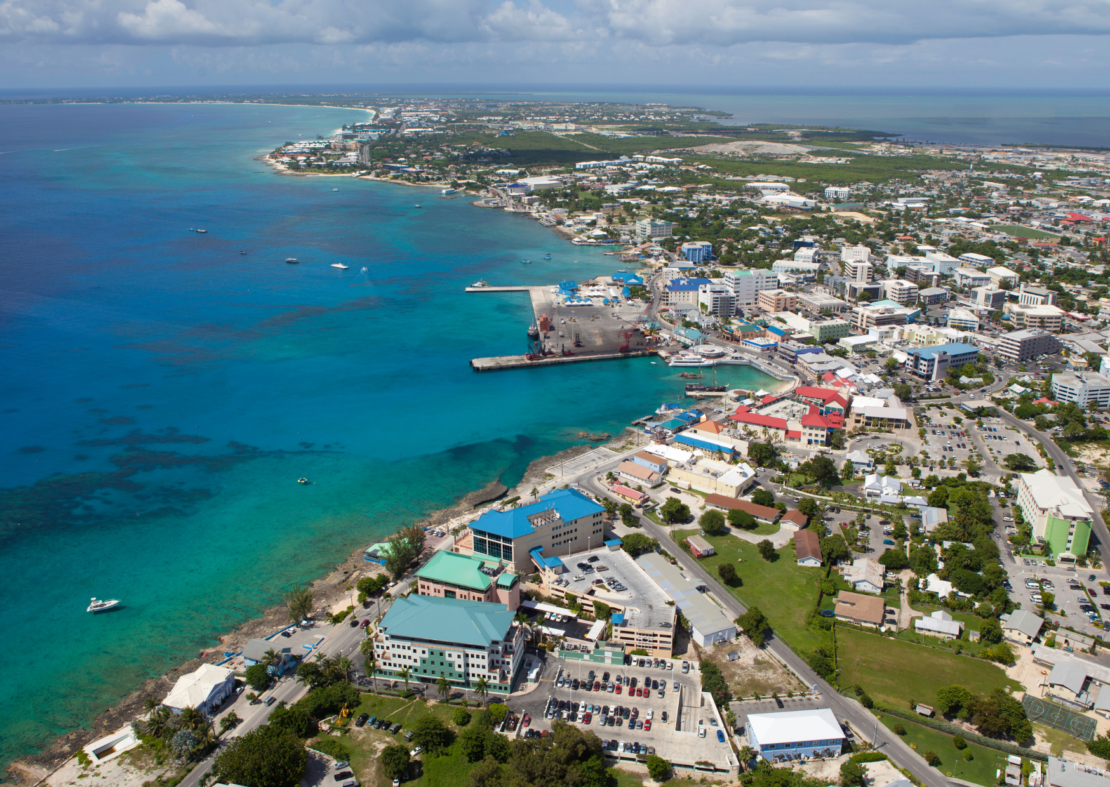
An incredible new museum dedicated to the ISDHF has been established at Pedro St James and is Cayman’s newest attraction, thereby solidifying the Cayman Islands as an integral part of the global scuba diving landscape. The ISDHF showcases rare artifacts from the history of scuba diving and has displayed them in traveling exhibitions throughout the years, but the artifacts now have a permanent home in this
wonderful museum.
Underwater Photography: La Photographie Sous-Marine
Published in 1900, this rare book by Louis Boutan documents his early underwater photography experiments at the Arago Marine Laboratory in Banyuls-sur-Mer on France’s Mediterranean coast. The publication is considered an important milestone in the development of underwater photography and helped lay the foundations for the books and research that followed.
Hans Hass Movie Camera
In 1949 Hans Hass filmed his classic movie Under the Red Sea with this camera. Kurt Schaefer, who had collaborated with Hass on earlier cameras, built the camera specifically for Hass in Austria. Under The Red Sea won the top international film prize for a long documentary at the 1951 Venice Film Festival. It is considered to be the first full length feature film of the post WWII scuba diving era.
Sea Net Wooden Fins
The Sea Net Company was located in Los Angeles, California and during the 1940s and 1950s was an early manufacturer of free diving and spear fishing equipment. This equipment was in demand as the growing community of post WWII divers went in search of food from the sea. The company manufactured spear guns, rubber masks, and fins, but also these very unusual wooden fins.
Old Savannah Schoolhouse: A Cultural Landmark
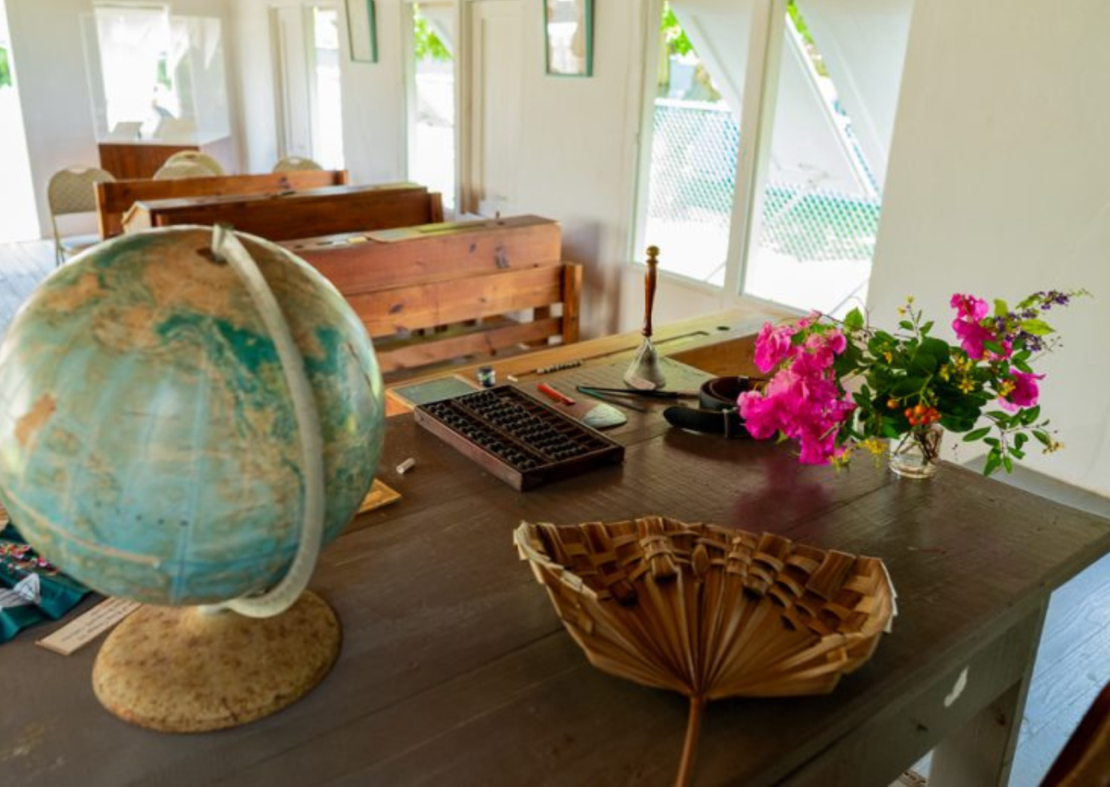
The Old Savannah Schoolhouse is the last standing ‘one room schoolhouse’ in the Cayman Islands. It opened its doors on 12th September, 1940, and served the community up until The term ‘one room schoolhouse’ is derived from the fact that both younger and older students would have been taught
in the same space. It is now cared for by the National Trust for the Cayman Islands.
Location: Shamrock Road in Savannah, Grand Cayman, Cayman Islands.
Mission House in Bodden Town
Mission House is one of the oldest historic buildings in the Cayman Islands and one of the National Trust’s most significant heritage properties. Originally built during the 1700s, the house was occupied by Presbyterian missionaries during the late 19th century. Its history is closely connected with the early development of Christianity and formal education in the Cayman Islands.

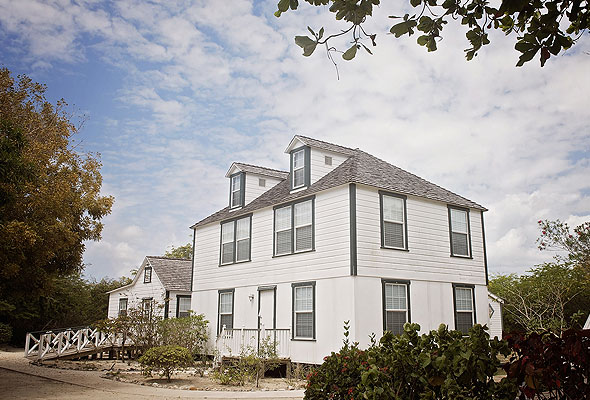
Over the years, the property was also used as a family home, community school and general store. After the original building was destroyed by Hurricane Ivan in 2004, it was carefully reconstructed to highlight the traditional building methods used during that period. Visitors can explore the house and grounds, view historic artifacts and learn how Caymanian families lived during the 1800s. The surrounding garden represents a traditional 19th-century Caymanian yard, complete with fruit trees, ornamental plants and a natural freshwater pond.
Location: Bodden Town, Grand Cayman
Heroes Square and Fort George in George Town
To gain a deeper insight into the history and culture of the Cayman Islands, the center of George Town is well worth exploring. At its heart lies Heroes Square, which contains several thought-provoking monuments and statues dedicated to important figures and events from Cayman’s past.
These include Tradition, a monument honoring Caymanian seafarers who lost their lives while working to support their families and country. Nearby, Fort George is another fascinating historic landmark. The surviving site offers an insight into how Caymanians protected their islands over the years.
Visitors can also see artwork by local artist John Broad, whose murals illustrate Cayman’s historical development, maritime traditions and the bravery of its people. The Cayman Islands National Museum, Heroes Square and Fort George are all within central George Town, making them easy to explore during the same visit.
Location: 12 Albert Panton St, George Town, Cayman Islands
Hell: A Famous Natural Landmark in Grand Cayman
There is really a place called Hell…in Cayman’s paradise! Located in the district of West Bay, the Hell Geological Site is a unique natural wonder of rugged blackened limestone outcropping. Visitors have been flocking here for decades, for bragging rights that they have “been to Hell and back” or simply have taken someone’s advice to “go to Hell!”
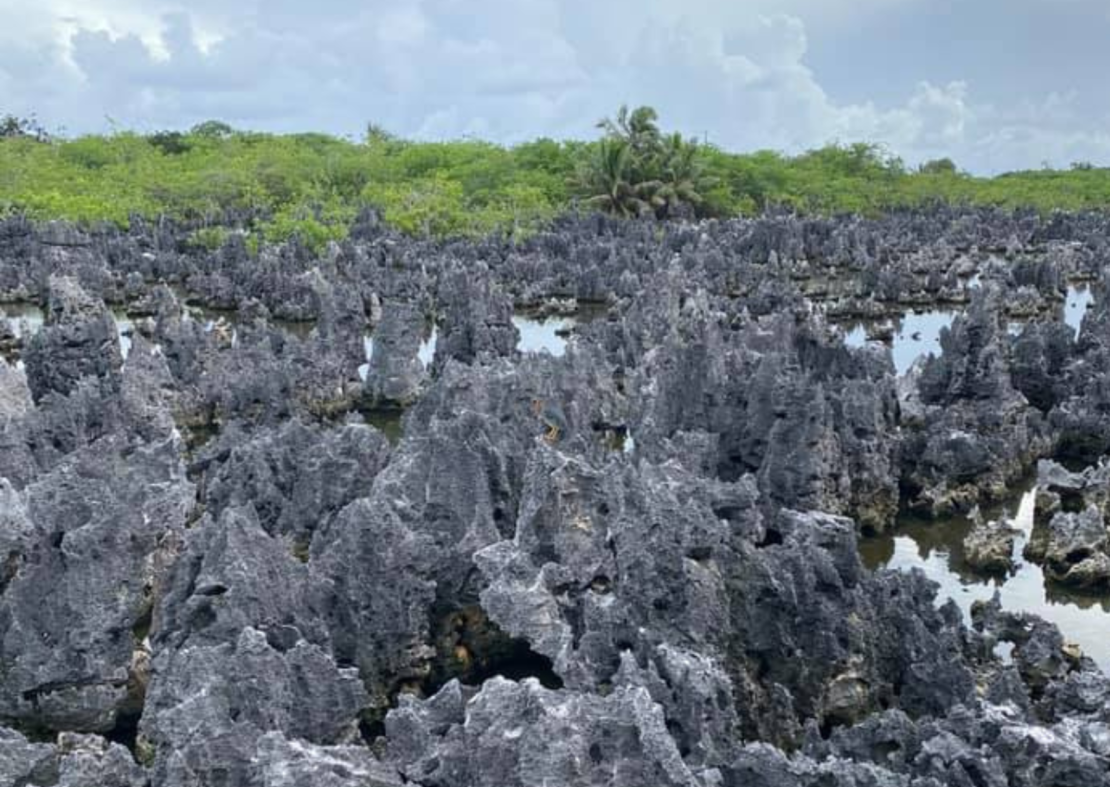
Estimated to be 10 to 15 million years old, Hell is a rare geological phenomenon, made from dolomite limestone when the entire island was immersed underwater and alive with fish, coral and shells. The fossils of these organisms can be seen embedded in the rocks. The black colour and shape of the rocks at Hell come from microscopic organisms that lived on the rocks. A postcard dispatched from Hell Post Office is a good way to share a memorable visit.
Cayman Islands National Museum
Located on the waterfront in George Town, the Cayman Islands National Museum is an essential stop for anyone interested in the islands’ history and culture. The museum is housed inside the historic Old Courts Building, the oldest surviving public building in the Cayman Islands.
Inside, permanent galleries explore the natural and cultural history of all three Cayman Islands. Exhibits cover subjects including traditional livelihoods, seafaring, local customs, natural habitats and Cayman’s changing way of life. The museum also hosts temporary exhibitions, cultural events and audiovisual experiences, helping to preserve the islands’ heritage for future generations. Its central George Town location makes it easy to combine a visit with Heroes Square and Fort George.
Location: Seafarers Way, George Town, Grand Cayman
Frequently Asked Questions About Cayman Islands Landmarks
What are the most famous landmarks in the Cayman Islands?
Some of the best-known Cayman Islands landmarks include Pedro St. James, the Cayman Islands National Museum, Fort George, Mission House, the Old Savannah Schoolhouse and the limestone formations at Hell in West Bay.
What historic sites can you visit in Grand Cayman?
Grand Cayman has several important historic sites, including Pedro St. James National Historic Site, Mission House in Bodden Town, Fort George in George Town and the Old Savannah Schoolhouse. The Cayman Islands National Museum is also a great place to learn about the islands’ history and culture.
What is the most important historic landmark in the Cayman Islands?
Pedro St. James is widely considered one of the Cayman Islands’ most important historic landmarks. The restored 18th-century Great House is closely connected with the development of democracy in the islands and the announcement of the abolition of slavery.
Are there museums in Grand Cayman?
Yes. The Cayman Islands National Museum is located in George Town and explores the natural and cultural history of the islands. Visitors can also discover the International Scuba Diving Hall of Fame Museum at Pedro St. James.
Where can you learn about Caymanian culture?
The Cayman Islands National Museum is one of the best places to learn about Caymanian culture, traditions and local history. Heritage attractions such as Mission House, Pedro St. James and the Old Savannah Schoolhouse also provide an insight into everyday life in earlier generations.
Can you visit Grand Cayman’s historic landmarks in one day?
Several attractions can be combined in one day, particularly if travelling by car. The Cayman Islands National Museum, Heroes Square and Fort George are close together in George Town, while Pedro St. James and the Old Savannah Schoolhouse can be visited together around Savannah.
Are Cayman Islands historic attractions suitable for families?
Many of Grand Cayman’s historic attractions are suitable for families. Pedro St. James offers spacious grounds and an interactive film, while the Cayman Islands National Museum and Old Savannah Schoolhouse provide accessible introductions to the islands’ history for younger visitors.
Discover the History and Culture of the Cayman Islands
Although the Cayman Islands are celebrated for their beautiful beaches and clear Caribbean waters, their landmarks, museums and heritage sites offer an equally rewarding experience. From the political importance of Pedro St. James and the maritime stories preserved at the scuba museum to historic schoolhouses, national monuments and the otherworldly landscape of Hell, these attractions reveal a different side of Grand Cayman. Exploring these Cayman Islands landmarks allows travelers to connect with the events, traditions and communities that have shaped the destination, creating a more meaningful journey beyond the shoreline.
Read More: Things to do in the Cayman Islands, Best restaurants in Grand Cayman, Best Family Resorts, Hotels & Villas in Grand Cayman and Grand Cayman Beach Guide